





Accident reports in construction
There is a legal requirement through the Reporting of Injuries, Diseases and Dangerous Occurrences Regulations 2013 (RIDDOR) for accidents and incidents to be reported to the Health and Safety Executive (HSE).
While RIDDOR recommends that all accidents, however small, are recorded in an accident book, it identifies the more serious types of accidents which must be reported to HSE as well as being recorded in the book. These include:
- Any injury that stops an employee doing their normal work for a period of 3 days or more.
- Major injuries such as broken arms, ribs, legs, etc.
- Fatalities.
- Disease.
- Dangerous instances occurring at work such as machinery breaking, scaffolding collapsing or any other appliances breaking and causing damage.
Forme can be found here for the following incidents:
- Injury.
- Dangerous occurrence.
- Injury offshore.
- Dangerous occurrence offshore.
- Case of disease.
- Flammable gas incident.
- Dangerous gas fitting.
The appropriate form should be completed by the responsible person. Fatalities and major injuries can be reported by phone to the HSE. A report must be received within 10 days of the incident.
The following information should be recorded:
- Injured person’s personal and contact details (name, phone number, address, age, occupation, etc.).
- Reporter’s personal and contact details (name, position, phone number, address, etc.).
- Accident details (date, time, location).
- Injury details (type, body part, whether any work days were lost as a result, whether an ambulance was required, whether the injured person lost consciousness, etc.).
- Witness details (name, phone number, address, etc.).
- Details of any supporting evidence (e.g. CCTV footage, photographs, training records, health and safety check records, cleaning logs, etc.).
- Reasons for accident (how it occurred, working conditions at the time, PPE being worn, equipment being used, events leading up to accident, etc.).
- Response to accident (first aid provided, whether the area was made safe, direct action).
- Preventative action (training needs, preventative plan put in place, how recurrences will be prevented).
[edit] Related articles on Designing Buildings
- Accident book.
- Construction health risks.
- Health and safety file.
- Injuries on construction sites.
- Near miss.
- Notification to HSE.
- Occupational accident.
- Occupational injury.
- Reporting accidents and injuries on construction sites RIDDOR.
- Safety audit.
- Site records and registers.
- Slip and trip hazards.
Featured articles
Check out some of the best features and news from Designing Buildings as well as key stories from around the web.

New Prime Minister delivers on ECA call for cut in electricity costs.

CIOB reacts to the announcement of Andy Burnham as Prime Minister.

Heritage and conservation science workforce survey - Have your say.

England's Suburbs 1820-2020. Book review.

New, more proportionate and targeted approach for higher-risk building assessments.
Government brings British Steel into public ownership.

UKCW Birmingham returns with bold new theme and focus.

New guidance published on competence requirements for self-certification schemes.
Construction Management, 8 July
NEETs crisis drives interest in trades, but apprenticeships barriers remain.
Passive fire protection webinar

MEP services penetration seals.

Where its at podcast (and video) - The role of the Architectural Technologist as an Expert Witness.
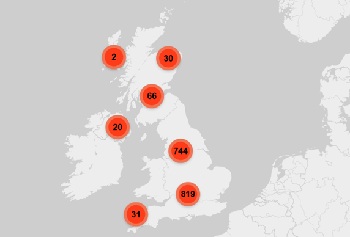
More than 200 remarkable buildings added to SAVE’s Buildings at Risk register.